Choosing a turbo trainer
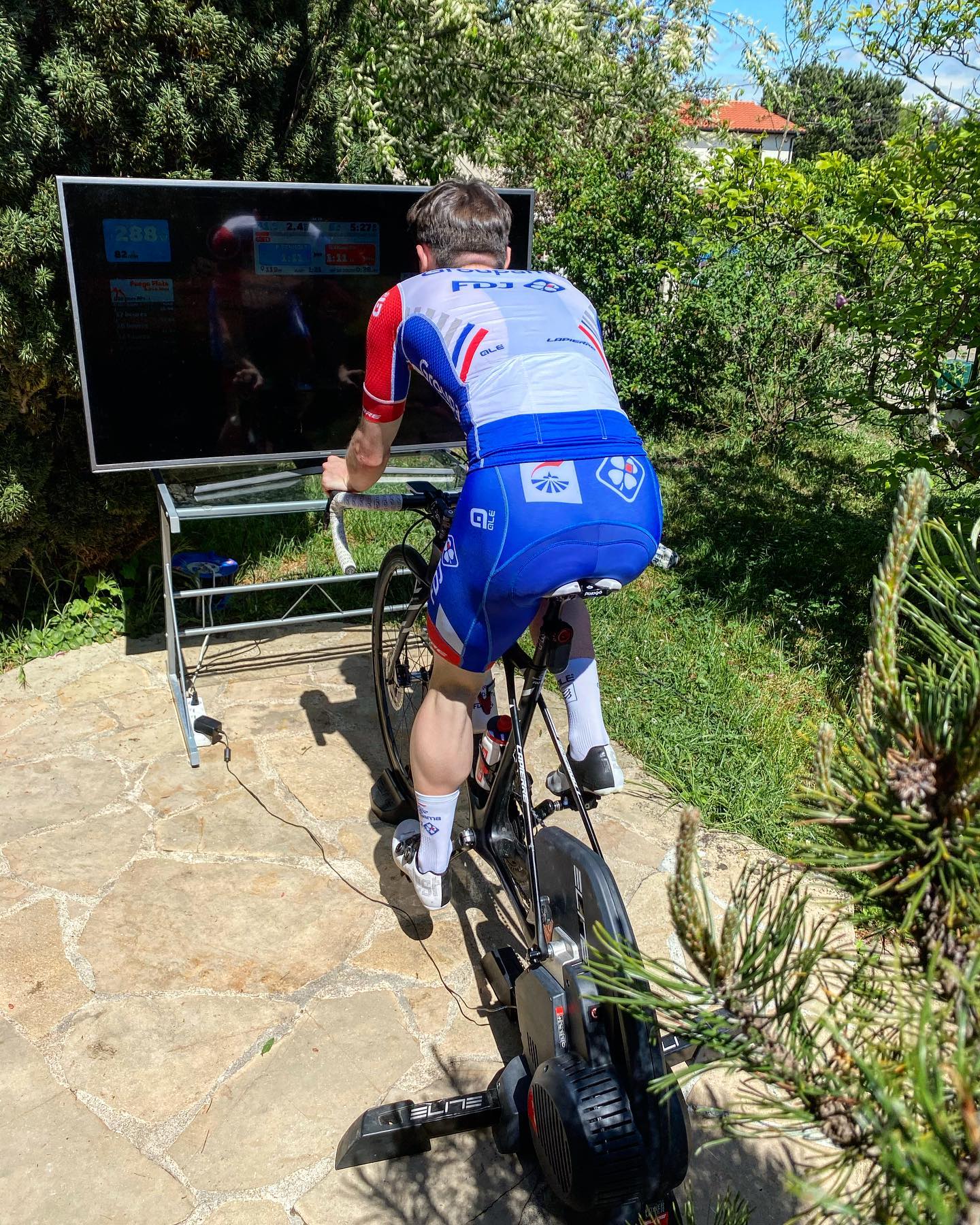
Rain, cold and early nights: winter is indoor trainer season. The right trainer keeps you fit, helps you prepare next season or follow a structured plan. The wrong one ends up at the back of the garage. Here is how to find the right model for your riding and budget.
The three main types of trainer
| Type | Best for | Used budget | Strengths | Limits |
|---|---|---|---|---|
| Direct-drive smart | Structured training, Zwift, Rouvy | €200 to €700 | Accuracy, automatic resistance, quiet | Price, weight |
| Wheel-on smart | Trying smart training | €100 to €250 | Price, quick setup | Tyre wear, less accurate |
| Rollers | Balance and pedalling technique | €50 to €200 | Feels close to the road | Learning curve, no controlled resistance |
| Classic (magnetic, fluid) | Staying fit without a screen | €30 to €150 | Simple, sturdy, cheap | Less fun, noisier |
Smart trainers: performance at home
A smart trainer adjusts its resistance automatically to the virtual route or workout. With Zwift, Rouvy, MyWhoosh or TrainerRoad, your data (power, cadence, heart rate) shows in real time and you can ride in groups or race online.
- Direct drive: remove the rear wheel and mount the bike on the trainer's cassette. The most accurate and quietest option. Popular models: Wahoo Kickr Core, Tacx Flux, Elite Suito, Tacx Neo.
- Wheel-on: the rear tyre presses on a roller. Cheaper, but the tyre wears and accuracy is lower. Use a dedicated trainer tyre.
👉 Our used smart trainer comparison helps you pick a model.
Rollers: the art of balance
On rollers the bike is free, so you balance just as on the road. Great for smooth pedalling and core strength. The first sessions take some practice next to a wall or door frame.
Classic trainers: simple and effective
Magnetic or fluid, with resistance set by hand. No screen or app needed: enough to stay fit or warm up before a race. Also the cheapest option, especially second-hand.
How to choose
- Your goal: stay fit (classic), progress with a plan (smart), work on technique (rollers).
- Noise: in a flat, choose direct drive, which is much quieter.
- Compatibility: axle type (quick release or thru-axle), number of speeds, disc brakes.
- Space: some models fold away (Elite Suito, Tacx Flux).
- Budget: second-hand, a good direct-drive smart trainer often costs €250 to €500.
Accessories that make the difference
- A mat to protect the floor and reduce vibrations.
- A powerful fan: you sweat far more than outdoors.
- A front wheel block to level the bike.
- A heart rate strap and, if needed, a cadence sensor.
- A towel and a tablet or laptop stand.
Buying a used trainer
Trainers wear very little, which makes them one of the best second-hand buys. Ask for a video of it running, check the accessories (power supply, adapters, cassette) and pairing with the maker's app.
👉 All used indoor trainers, plus Van Rysel D500 and Van Rysel D100.
Find us on the Google Play Store and the Apple Store

|

|