Nutrition in cycling, real fuel!
#Nutrition in cycling, real fuel!
Cycling is a sport in which everything comes down to the smallest details: equipment, aerodynamics and nutrition! It is an endless quest for endurance, performance and comfort. Nutrition is an essential factor in achieving performance. Whether you are a cycling enthusiast looking for fun on Sunday rides or a seasoned rider chasing crowns on Strava.
In both cases, nutrition is essential. It can let you finish the ride without pain, or even come home with a crown in your musette!
Cycling, whatever the discipline, is a really demanding activity in terms of managing your effort and your energy. During a ride, a cyclist expends a considerable amount of energy. Nutrition starts before the ride: eating before you go out riding gives you energy throughout the first part of the ride and so builds up reserves. During the ride, it is essential to eat and drink and, obviously, the longer the ride, the more you need to refuel. Finally, once the ride is over, you need to eat properly to help your muscles regenerate.
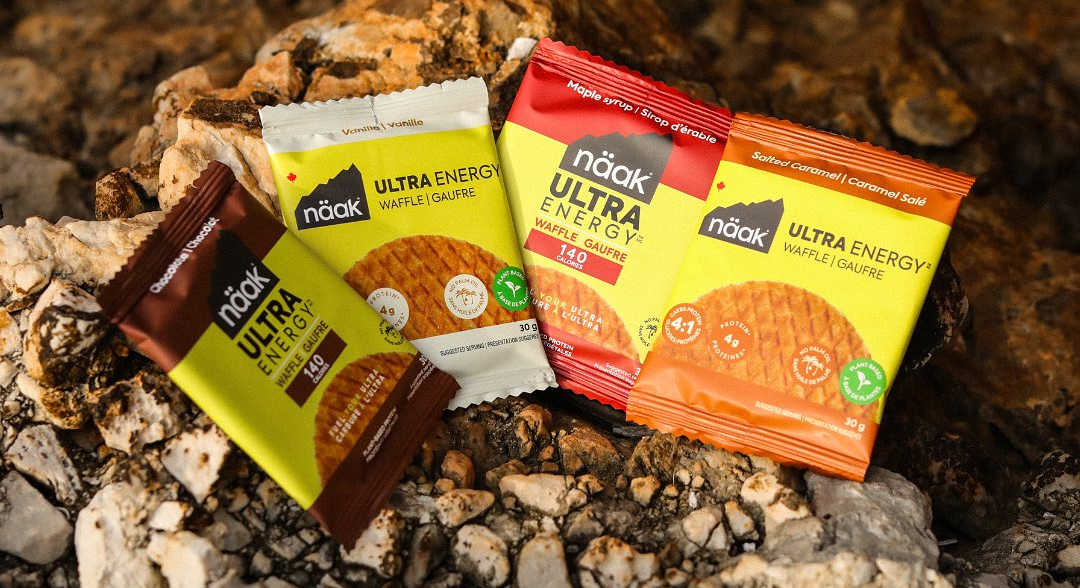
There are several types of energy sources :
-
Carbohydrates, are the main source of energy for cyclists. During prolonged efforts, the glycogen reserves in the body run out, which can lead to a drop in energy and therefore in performance. It is therefore essential to consume complex carbohydrates (pasta, potatoes, starchy foods in general) before and after physical effort. During the ride, it is recommended to consume simple carbohydrates (fast sugars, sweets, biscuits, dairy products, fruit jellies) to maintain an energy level conducive to performance.
-
Gym enthusiasts will not contradict us: proteins are essential for muscle repair. Indeed, proteins play a crucial role in muscle repair and growth. After an intense session, it is important to consume protein to help rebuild muscle fibres. Good sources of protein include lean meats (chicken breast), fish, beef, eggs and dairy products. There are also plant-based alternatives such as pulses, but these are less complete in protein; examples include soya, lentils and chickpeas.
-
Lipids, also known as fatty acids. These are healthy fats, essential for the functioning of the metabolism and the production of sustained energy. Cyclists should include unsaturated fats in their diet, such as those from avocados, nuts, seeds and vegetable oils.
-
Vitamins as well as minerals are essential elements when you play sport. Minerals (iron, calcium) are the salts we lose when we sweat. Once the effort is over, it is therefore essential to replace the salts we have lost. Vitamins (A & B) play an essential role in a cyclist's performance and recovery. A varied diet based on fruit and vegetables ensures a sufficient intake of these nutrients.
Planning your nutrition
Obviously, to perform at the right time, you cannot eat just anything. The best approach is to have a nutrition plan, or at least to know what to eat and when. We are talking about a nutrition plan that applies before, during and after the effort. Nutrition before the effort is what lets you perform in the first part of the effort and consolidate the energy reserves your body has already built. During the effort, it is what lets you last to the end without drawing too heavily on your reserves. Finally, nutrition after the effort helps start regenerating the body so as to optimise recovery.
Before the effort, it is recommended to eat a meal rich in carbohydrates and moderate in protein, so that you are not digesting during the effort. The best is to eat this meal about two to three hours before the effort. This digestion window allows glycogen reserves to build up. Lighter carbohydrate-based snacks can also be eaten 30 to 60 minutes before the start.
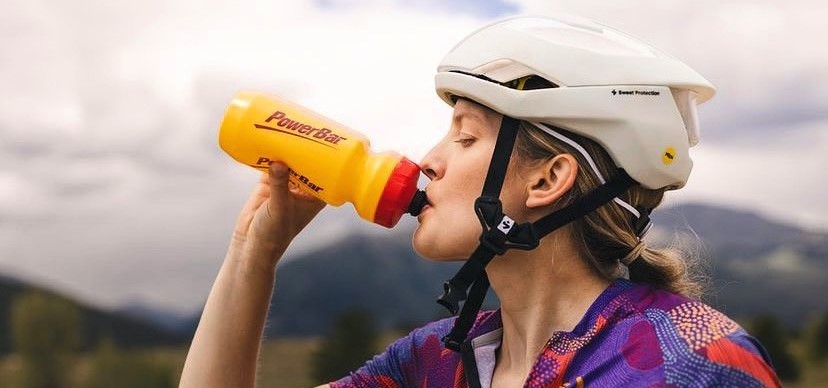
During the effort, it is important to drink and eat. As for drinks, it is recommended to drink at least half a litre per hour of water flavoured with syrup or other isotonic drinks. Obviously, this can vary according to each person's physical condition and the weather and climate. Water may be enough, but you can add fruit syrup, which provides carbohydrates. In summer, you can add electrolyte tablets, which can help prevent dehydration.
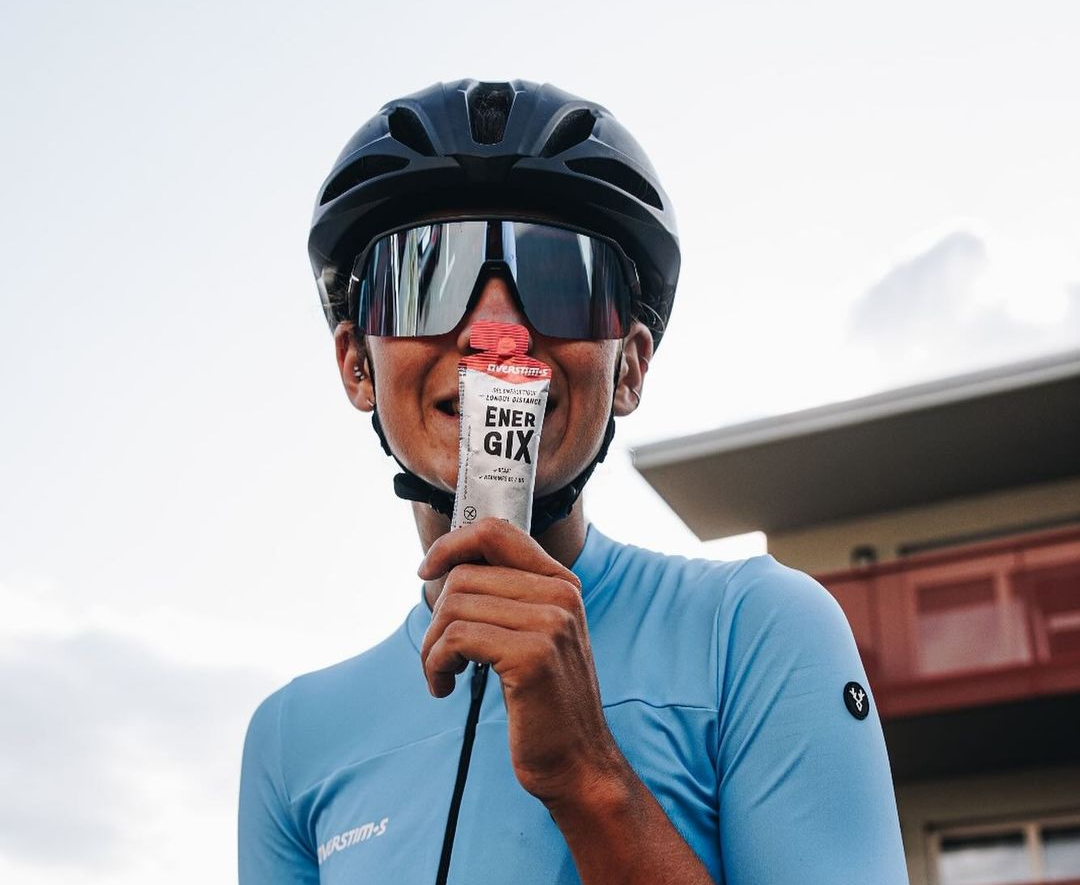
Alongside drinking, it is important to eat regularly. Think in particular of gels and fruit jellies. After an hour of effort, it is advisable to eat every 30 minutes, something fairly sweet such as fruit jellies, to avoid dipping into the body's energy reserves. On rides longer than 3 hours, you need to include a little more fat or protein in addition to the carbohydrates recommended in the first hour.
After the effort, the recovery period is crucial. Think in particular of massages and stretching, but food obviously has its part to play. It is recommended to eat something light, easy to digest, containing both carbohydrates and protein, about 10 g to 12 g, within 30 minutes to two hours of the effort to optimise muscle regeneration. It is strongly recommended to take in mineral salts to replace those lost through sweating during the effort. Afterwards, a good nap is always welcome!
Finally, food in cycling is much more than a simple question of calories; it is an essential component of the strategy for pursuing performance. By adopting a healthy, balanced and well-planned diet, cyclists can not only improve their performance but also promote fast and lasting muscle regeneration. The key is to listen to your body, try different eating strategies and find the one that works best for your body. Do not forget that every body is different and does not react to food in the same way. With the right attention to nutrition, the path to enjoying your rides for some, and the one towards Strava crowns for others, will only be easier!
See the nutrition listings
See the listings for energy bars and gums
See the listings for gels
See the listings for energy drinks
Also find our listings for bottles and bottle cages
Find our latest listings
Read new articles on our Troc Vélo blog
Find answers to your questions in the frequently asked questions about Troc Vélo
Chat with other users on the Cycling Forum
Find us on the Google Play Store and the App Store

|

|